
Terry Fisher
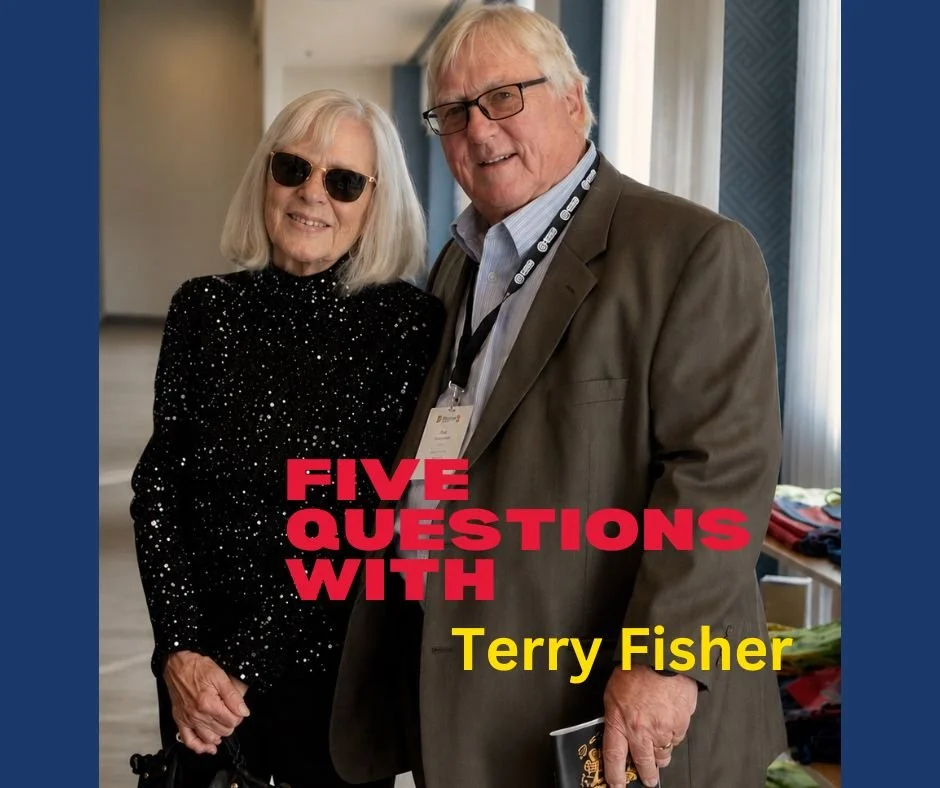
Terry Fisher and his wife, Gale
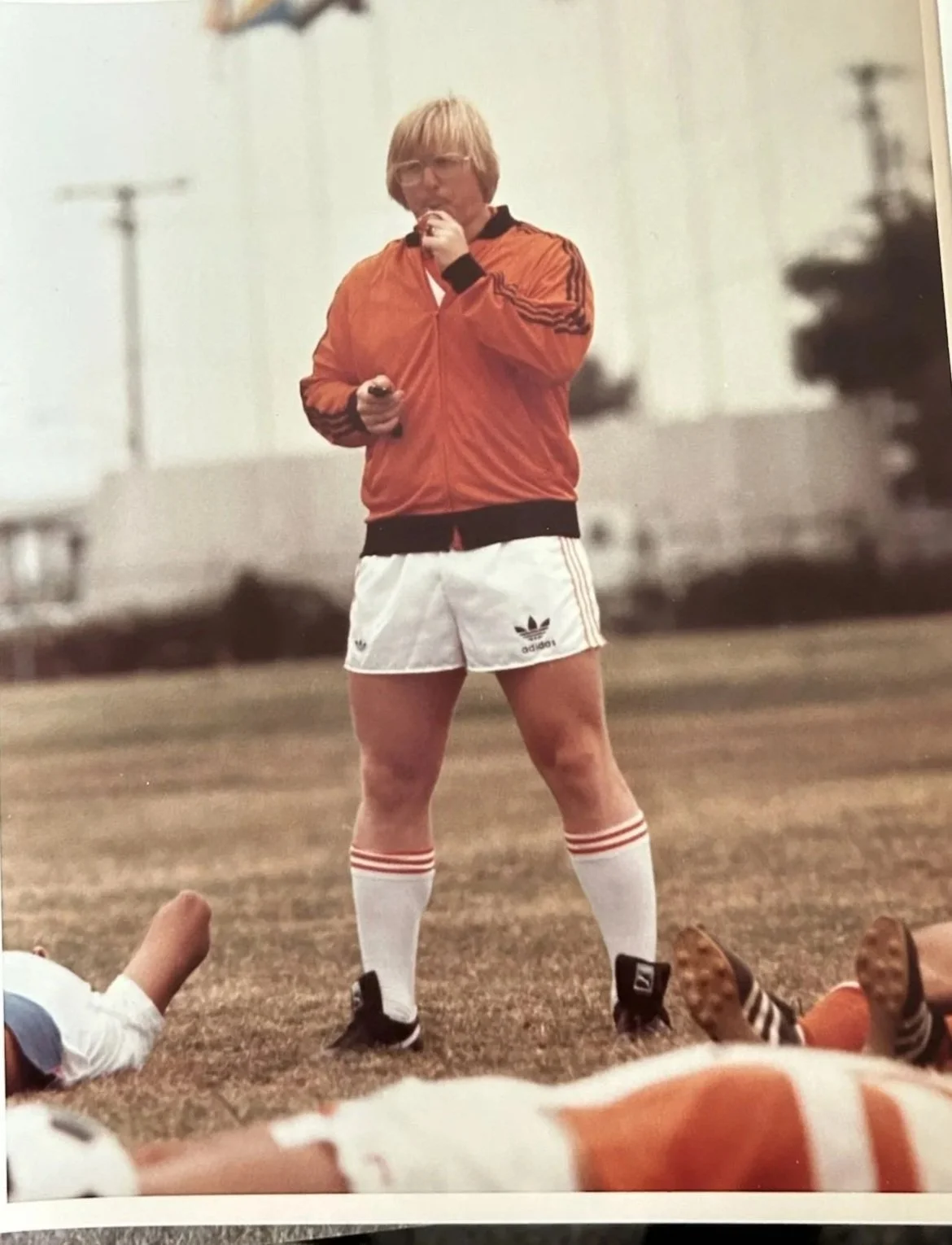
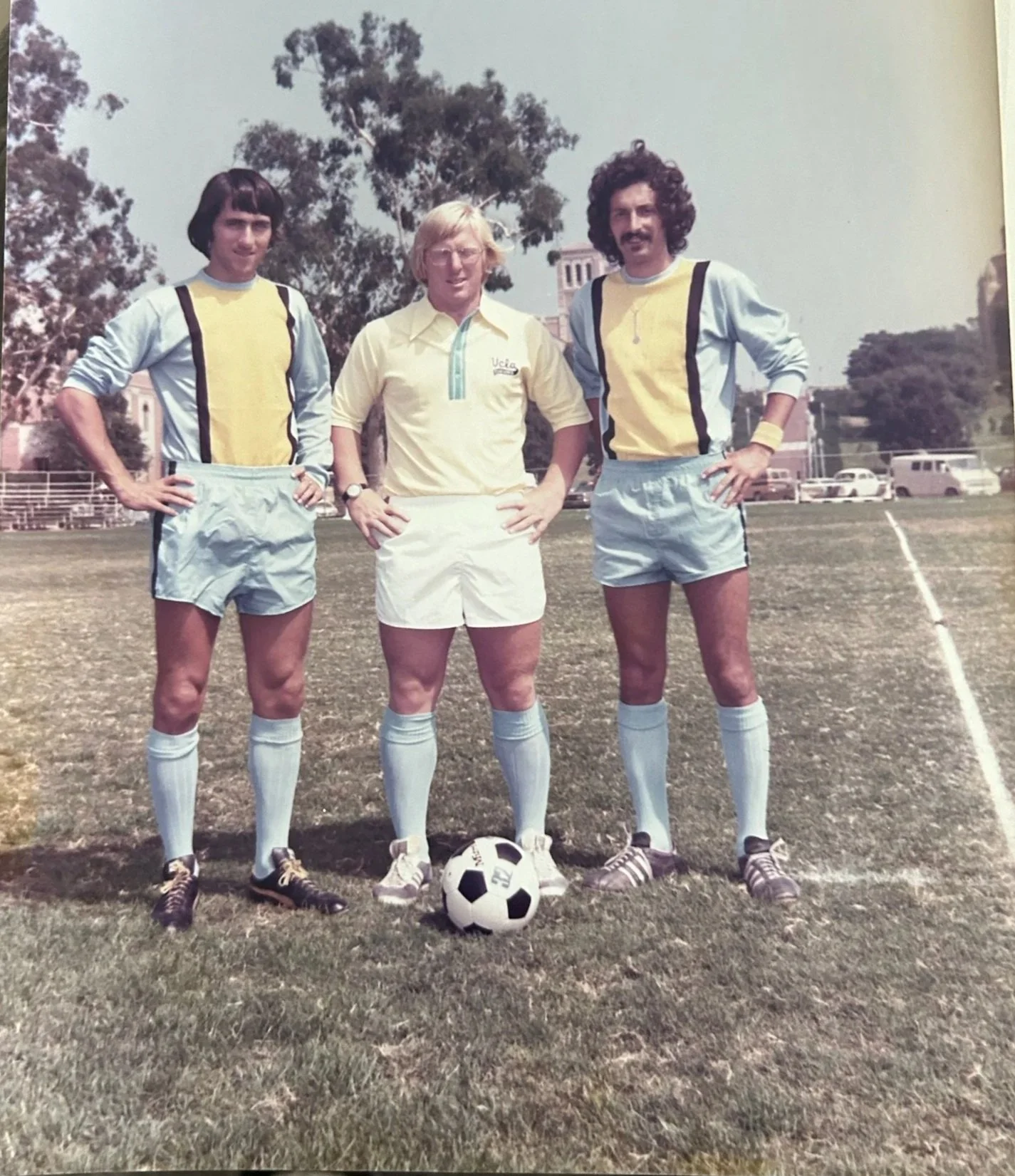
Terry Fisher has been part of American soccer for more than fifty years. He played college soccer at Hartwick College in the late 1960s, then turned immediately to coaching, first at Whittier College, then at UCLA, where he became head coach at 23. By 25, he was the youngest head coach in the North American Soccer League, running the Los Angeles Aztecs with Elton John in the owner's box and George Best on the roster. Over the next five decades, he moved through nearly every corner of the American game — professional leagues, indoor soccer, youth development, World Cup licensing, state soccer associations — before joining America SCORES Bay Area as an advisor in 2023. He talked with us about what he found when he got here, how soccer in this country has changed since the NASL days, and what it would take for a program like SCORES to stop being the best untold story in the Bay Area.
You've said that traveling to Europe as an 18-year-old changed everything for you. What do you mean by that?
I graduated high school in 1967, and that summer I toured Europe with a team of American soccer players — nine countries in three weeks, coached by Hubert Vogelsinger, one of the great figures in American soccer at the time. Teams just weren't doing that then. And for me, going to those places, watching those matches, being around people who lived and breathed this game the way Americans lived and breathed baseball, it got me hooked in a way nothing else had.
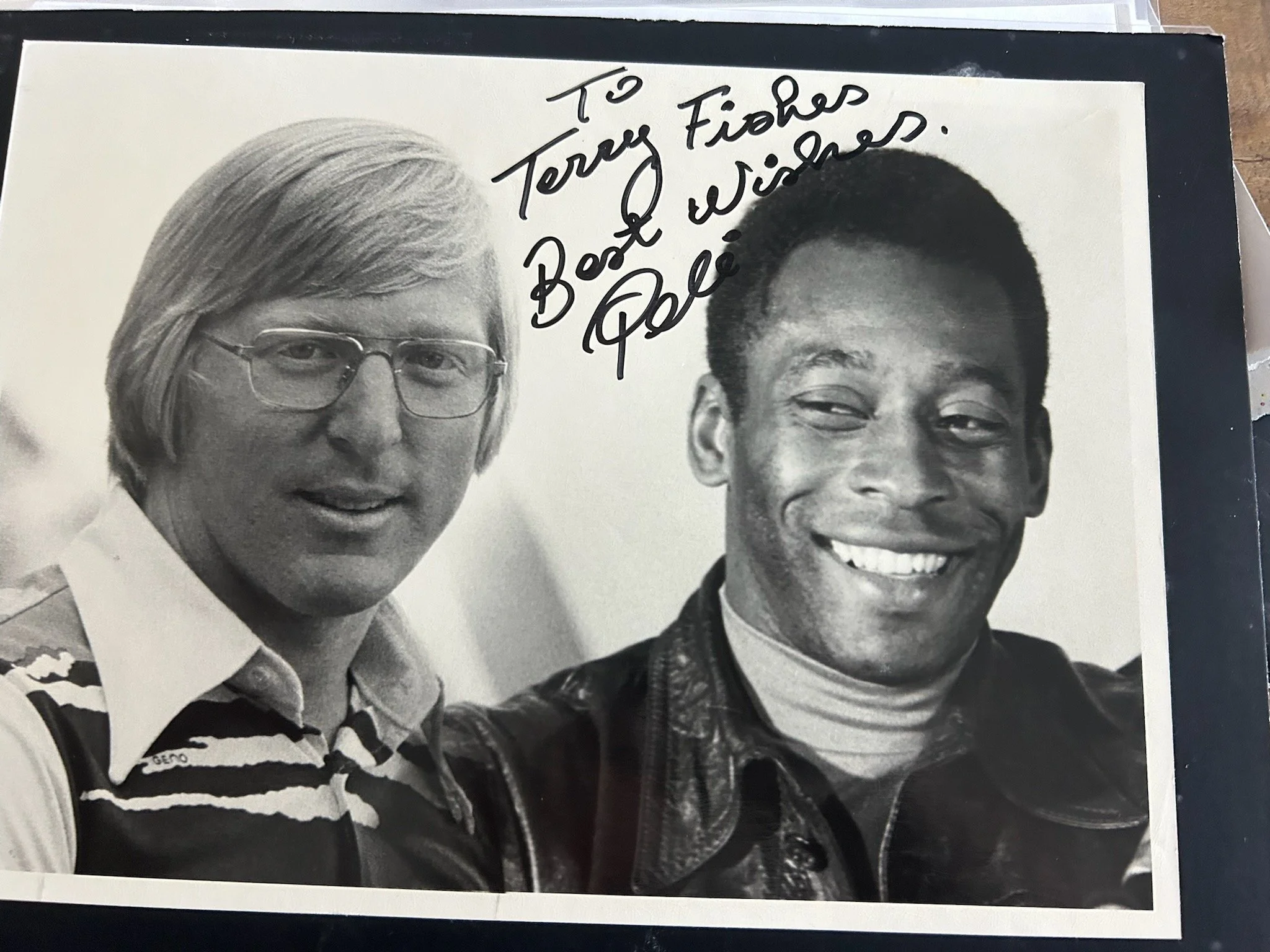
After that, I kept going back. Through a program called American International Sports Exchange, I went every spring for 17 days, every summer for three months — Dublin, London, Manchester, Amsterdam, Madrid, always ending in Lisbon, then starting over again. I lived in Mexico City in 1970, my junior year, and watched the World Cup semifinal between West Germany and Italy in person at Azteca, and the final with Pelé's Brazil.
That travel is the only reason I was considered for the LA Aztecs job at 25. It gave me the confidence to walk into a room full of professional players who were older than me and find a way to lead. You can't manufacture that. You have to go get it.
You've watched American soccer rise, fall, and rise again. You were there for the NASL, the 1994 World Cup, the launch of MLS. What does the landscape look like to you now?
The NASL showed us exactly what happens when investment races ahead of the culture. I remember General Mills was in a meeting in Minnesota — they were averaging 32,000 fans at the stadium where the Vikings used to play, a very good team — and the chairman asked the league commissioner how far along they were on a TV contract. The commissioner said it wasn't in the foreseeable future; they'd still have to buy their own airtime and do their own production. The chairman turned to his general manager and said: " Fold it.” We went from 32 teams to 24 to 18 to 12 to eight, and out of business over four seasons.
Corporate America just wasn't there yet. The '94 World Cup changed that. It was the most successful World Cup ever, and it spawned MLS directly. Now we have 20 or 30 dedicated stadiums where we had zero. Owners understand it's a real estate play. The women's game is extraordinary. But honestly, after watching 104 World Cup games this summer, every one of which had a crescendo that was off the charts, it's hard to come back down to the men’s domestic league. That's the marketing problem we face right now. I say give the United States another 200 to 300 years on the men's side. We'll be fine.
You coached the LA Aztecs when the Cosmos had Pelé. What was that world like?
It was extraordinary and completely unsustainable at the same time. The Cosmos' spending created distortions that pushed 31 other teams out of business. You could win championships by outspending everyone, but it took the whole league down with it.
I was in New York with the Aztecs when Gordon Bradley, the Cosmos' coach, put up a lineup that included Pelé and Beckenbauer but left out Giorgio Chinaglia — the Italian striker who was one of their biggest stars. Chinaglia walked into the locker room, saw the board, went straight up to Bradley and said: “You will not be coached by the end of this day.” Then he walked up to the press box and sat with Steve Ross, the Cosmos' owner. They beat us 4–2. Bradley was fired by the end of the day. Bingo, bango.
And then there was Elton John. He became part of our team in 1976. He showed up to the L.A. Coliseum for a photo shoot in a stretch white limousine, full-length mink coat, big glasses. He'd come to games three or four times a year and sit on the bench. People would say, “How can you let him do that?” I said, “he’s Elton John. He can sit wherever he wants.”
George Best* was something else entirely. When the Cosmos signed Pelé, we got the rights to sign George. He didn't miss a single training session his first six months. But he struggled with alcoholism his whole life. After his liver transplant, he said to me, “Terry, if you ever see me drinking again, you'll know that I have a death wish. “ That's exactly what happened. Those were some characters.
*George Best was a famous, exceptionally talented Northern Irish winger who previously played for Manchester United. Lauded as one of the sport’s greatest dribblers ever, his talent is often compared to Pelé and Messi.
What do you think kids are getting out of SCORES on the soccer front, and what might they not realize until later?
We are creating fans for life. It’s not about building a soccer pipeline. What we need is for those kids to develop a love for the game for life. That kid does not have to be the player. He might be the CEO of a big company that invests in soccer because of what he did at America SCORES as a nine-year-old. She may become the administrator in a state association that leads the way for development. We don't know where it's coming from, so keep working every day, act like they can all do something.
Every one of those kids is an investment to some end, and we don't have to write that story yet. Nobody thought Messi would end up mentoring Lamine Yamal. Look at that — nineteen years later, there they are. You can't make this stuff up. Reality is something, you know. The more you watch these games, the more you see things happen that you say: you couldn't offer that as a script in a movie. Nobody would believe it.
Hypothetically, you could be doing any number of things in the world of soccer. Why SCORES, and why at this point in your life?
My wife always says, don't you miss coaching? I say, “Gale, I've coached some great teams. I've had Georgie Best on my team, I've had Elton John as an owner, I've been in a league that had Pelé. I've done that. Let's go do something else.”
When I came to SCORES, I had no idea of what I was getting into in terms of the breadth and depth of what America SCORES had already done in this market over 25 years. I mean, this is kind of silly to say, but the organization has done all these things, and yet it's like every time you turn around, there's someone who has never heard of America SCORES Bay Area.
I had a friend who used to go down to the train station just to watch. I said, what are you doing down there? He said, “I just want to see something that moves without me doing it.” I think about that a lot with SCORES. Because this organization is already moving — it's been moving for over 25 years, in nine Bay Area counties, doing things nobody else is doing. If anything, it's the best untold story in the market. There's need every day in every direction, and everything requires money, because nothing happens without the ability to fund, to have staff, to have leadership, to have ongoing ideas related to how you're going to involve yourself in underserved neighborhoods on all sides of the Bay. What I want is for SCORES to have enough underneath, a reserve, so it just keeps going and growing, building on what it's already built, reaching more kids, bringing in more partners, without having to explain itself from scratch every time. My current goal is 50 corporate partners. Not a handful, 50. This is really hard work, and it’s beautiful work, and it should be funded. That's the goal. That's why I'm here.
To read more Five Questions With conversations, go here!