
San Jose Unified School District Partnership
Soccer, Poetry, and Access: SCORES and SJUSD
A school district partnership, three lead agencies, over 100 coaches, and a collaborative partnership that’s rewriting what’s possible for after-school programming in the Bay Area.
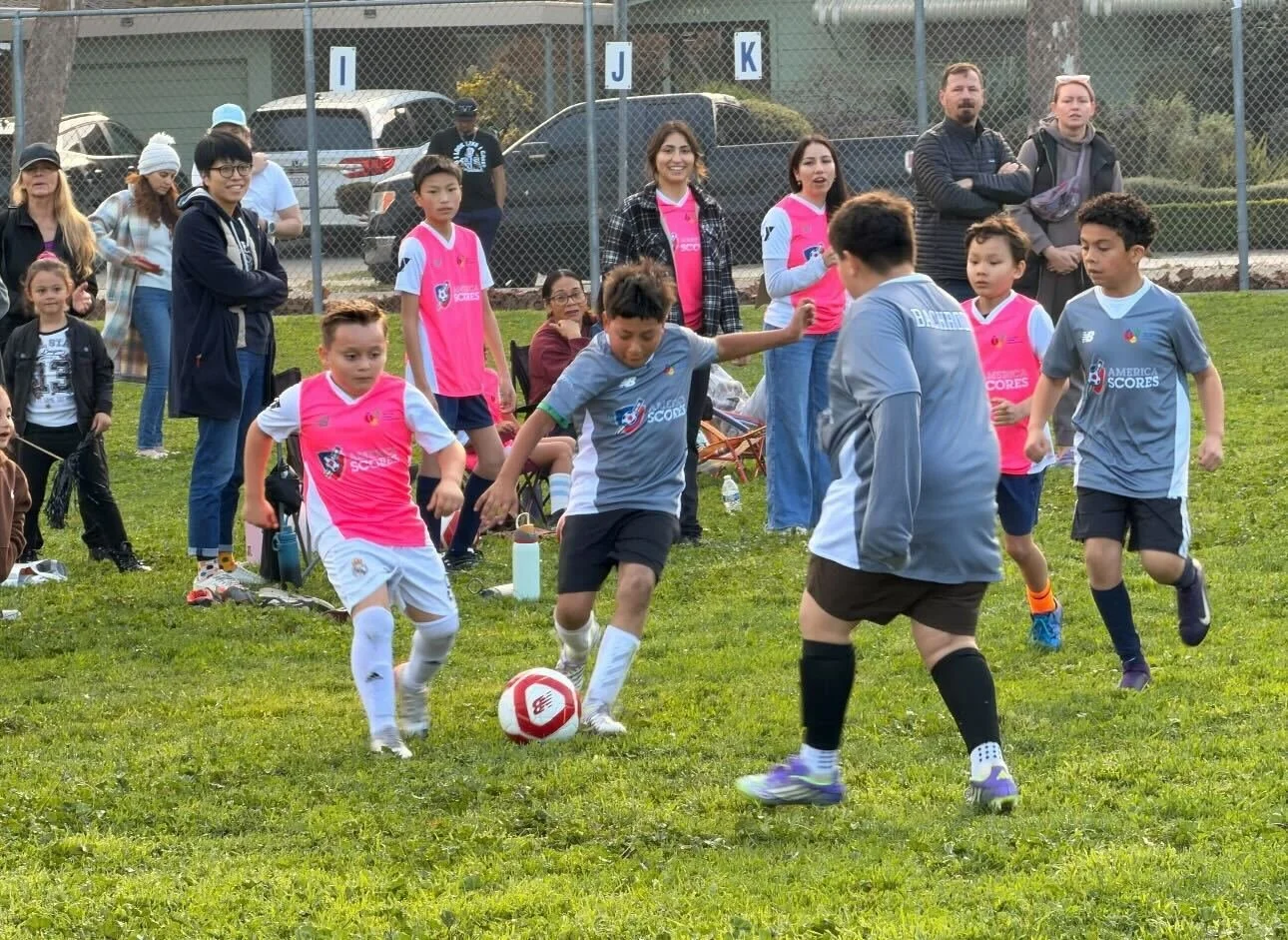
The San Jose Unified School District serves nearly 25,500 students across 41 K–12 schools. Thirty-three of those schools serve elementary and middle school students, including one K–8 campus. About 80% are students of color. More than half qualify for the district’s free after-school program—students who are English Language Learners, in foster care, experiencing homelessness, or from low-income families. These are kids whose families are navigating life in one of the most expensive areas of the country on the tightest margins, and for whom after-school programming isn’t a convenience but a lifeline.
America SCORES Bay Area has been working in San Jose since 2021, but the 2025–2026 school year marks a turning point. What had been a modest pilot at four sites run by Catholic Charities’ CORAL program has grown in a single year to reach 28 SJUSD elementary and middle schools, powered by a coalition of three lead agencies, more than 100 trained coaches, and a district leadership team that matched SCORES’ ambition with its own.
What's emerged is a partnership that now reaches nearly every elementary school in the district. Here’s a close look at what healthy, mission-driven collaboration actually looks like in practice.
The District and Its After-School Mission
SJUSD’s after-school program is funded through California’s Expanded Learning Opportunity Program (ELOP). It runs five days a week, from the end of the school day until 6:00 p.m., at 28 of the district’s elementary and middle schools. Because the program begins the moment the school day ends, there’s no transportation barrier. It’s available at no cost to students who are English Learners, in foster care, homeless, or who meet state income eligibility requirements. The program is staffed through three lead agencies: Catholic Charities (CORAL), ThinkTogether, and the YMCA. In the most recent family survey, 92% of families expressed satisfaction with the program.
Overseeing the program is Fortunata Hermoso, Manager of State and Federal Programs at SJUSD, the district’s primary contact for ELOP. Working closely with her is Dàmaris Cuffy, Senior Program Analyst in the same department, who manages the day-to-day coordination with the lead agencies and drives the enrichment partnership work. Together, they set the tone for how the district engages with outside partners and what’s expected from those partnerships.
That SCORES is now written directly into SJUSD’s official state ELOP plan, cited as a model enrichment program that “combines soccer with poetry writing to engage students in physical activity and creative expression”, reflecting how fully the partnership has been embraced at the institutional level.
“If we get it right at the top, it trickles down to our kids. And so it’s important to focus on our why, which will always be our kids. What are we doing for them? And how are we bringing that to life?”
From Four Schools to Twenty-Eight
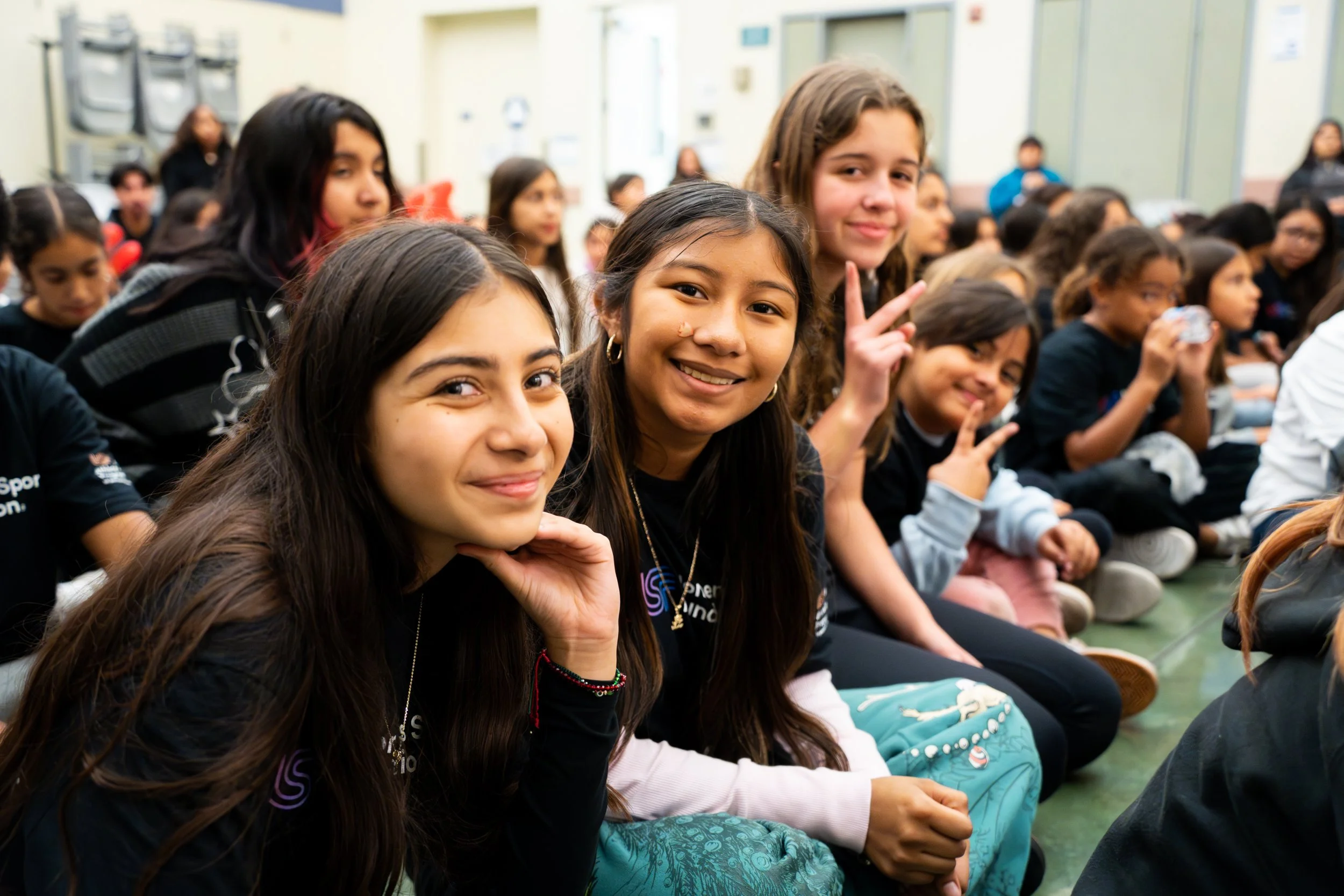
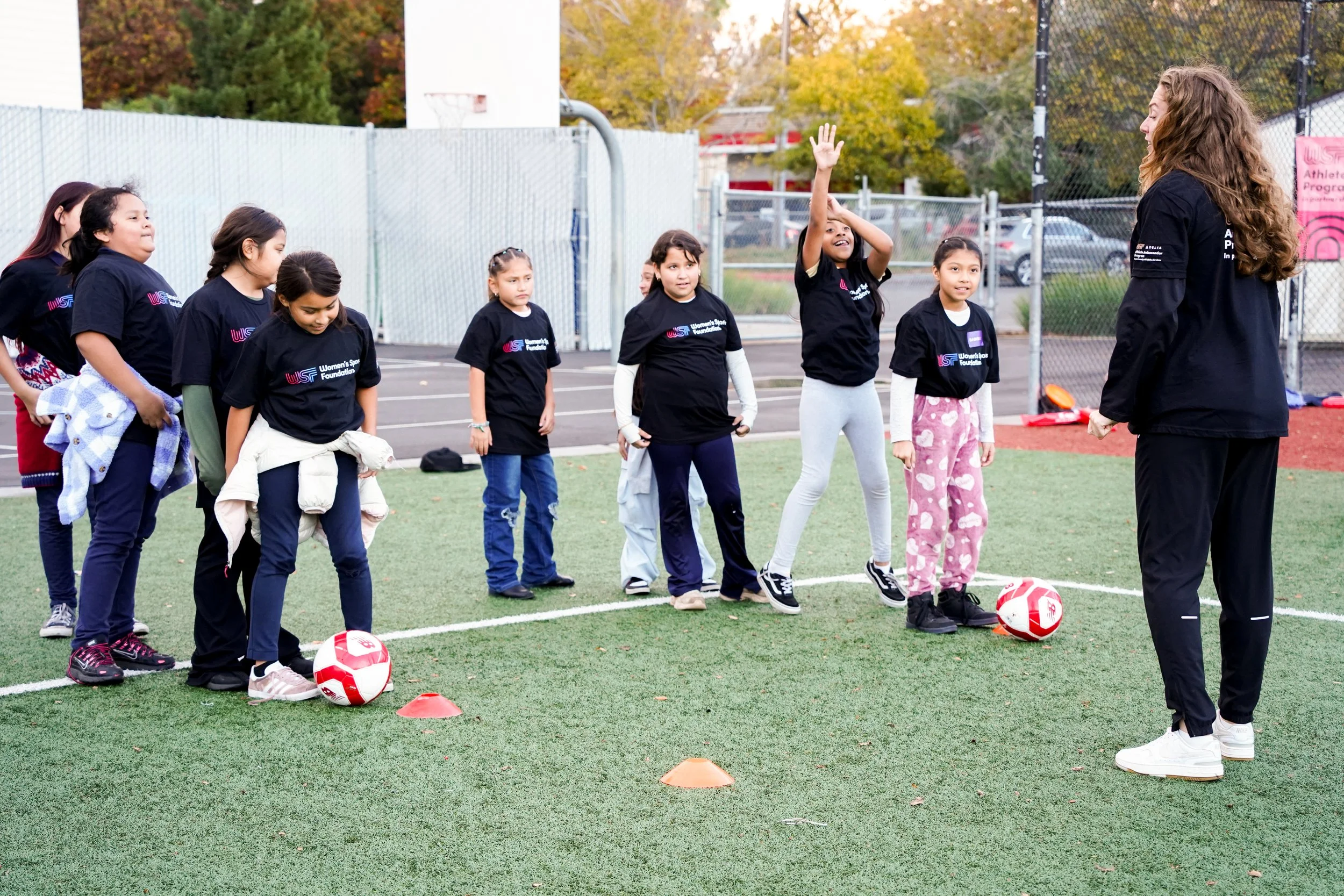
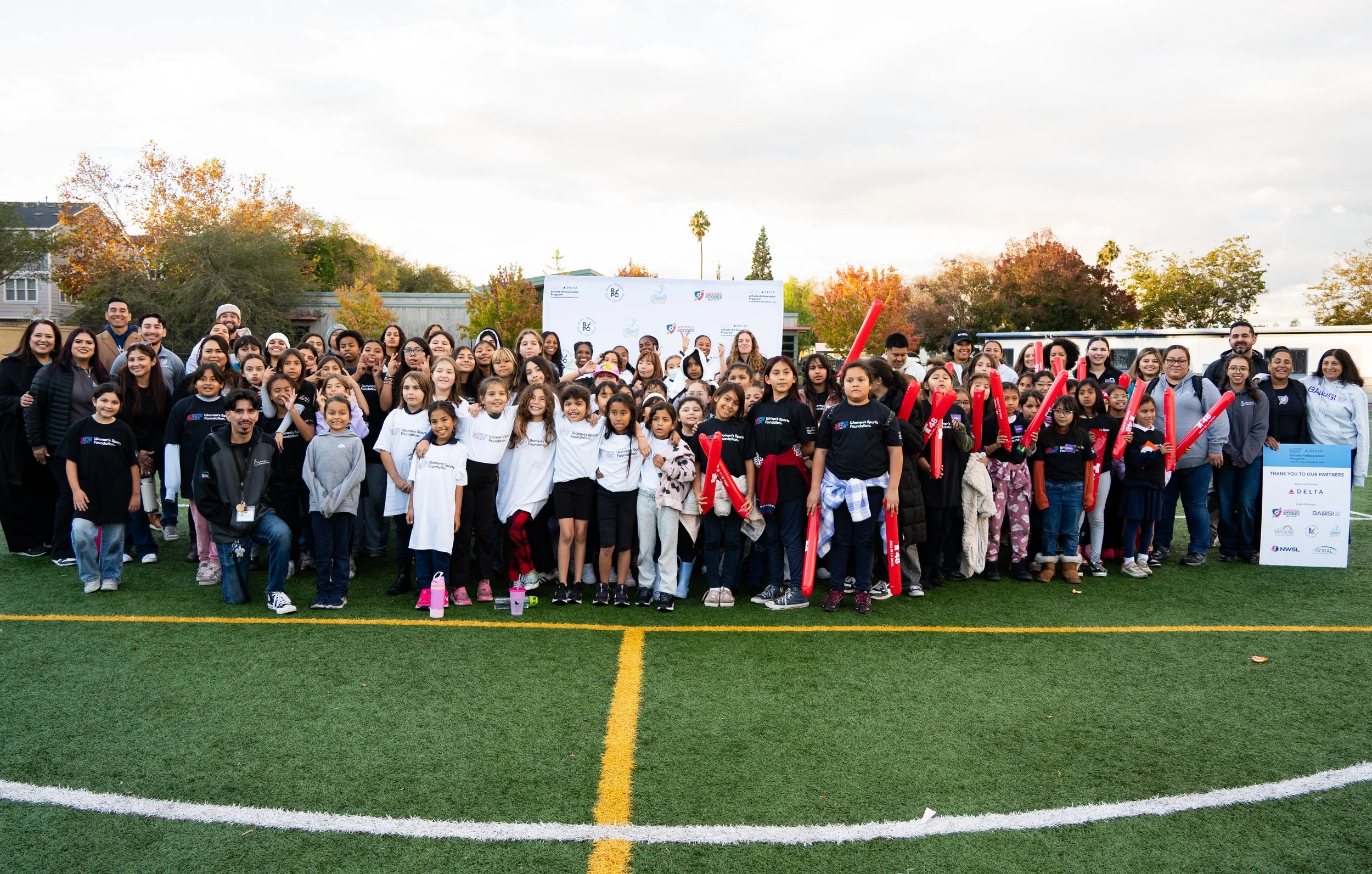
The connection between SCORES and SJUSD began through Hamza Haidari, SCORES’ Chief Growth Officer. Hamza helped connect 100 girls from the district with the U.S. Women’s National Soccer Team, who were putting on a workshop and presentation for girls in the game through the Women’s Sports Foundation. Fortunata Hermoso recalls the moment the scope of what SCORES could offer came into focus. “I wasn’t familiar with the reach that America SCORES had until then. I understood that here was a person with so much contact to help our kids.”
From there, conversations deepened, and within a year, SCORES expanded from four Catholic Charities sites to 28 schools, a pace that reflects both the urgency of the need and the speed at which trust was built.
The Model: Train-the-Trainer Plus
What makes the SCORES–SJUSD partnership structurally distinct from other SCORES programs is its train-the-trainer plus model. Rather than deploying SCORES’ own coaches, the program works with the existing after-school staff at the three lead agencies, training them to deliver SCORES’ soccer, poetry, and service-learning curriculum themselves. SCORES provides regional program managers, support, equipment, and Game Days, among other services.
“We work with over 100 coaches who report to somebody else. We work with them, we train them. They have our curriculum—from poetry to soccer to service learning—and those coaches lead SCORES sessions with students after school and coach on Game Days. It’s pretty phenomenal.”
The model also makes the program financially viable for the district. By working through the existing after-school workforce, the program could scale to match the district’s size and budget while maintaining the quality and integrity of SCORES’ curriculum.
On the ground, the partnership runs through Alberto Hernandez, SCORES’ San Jose Program Manager. Alberto grew up on the less affluent east side of San Jose, came up through club soccer, and watched firsthand as kids with real talent got priced out of the game. “What became clear was that talent wasn’t the factor separating the East Side kids from the other teams,” he says. “It was the income. It was money.”
“Alberto went from a site lead to a site manager to someone who’s constantly thinking of ideas of what you can bring back and give back to the community. This is his community. So I think that he takes it to heart.”
Building Trust
Building trust with the district, the lead agencies, and the coaches themselves is critical, says Hamza, who calls the process multifaceted and deliberate. “At the core of establishing trust is transparency and walking the walk. That means always sharing what SCORES is about, what we’re trying to do, how our thinking process works, what the planning looks like behind the scenes, and how we’re putting both their and their students' best interests first. That’s our biggest common ground with our partners. Every action we take, every decision we make – big or small – needs to serve the best interests of the students. Over time, as those actions and decisions accumulate and students clearly benefit, that’s how we build trust.
“When we first meet with a district or a potential partner, we talk about what we could do, what problems we could solve, and how easily we could address those problems, together. We’re collaborating during the proposal phase and sharing our thinking process. Once the work starts, it’s about following through and doing everything we said we would do. And throughout, we stay open. We welcome our partners’ input. We need them to be involved, and we want them to know we’re responsive to their ideas and needs. Open lines of communication and follow-through are requisite for a healthy partnership.”
Soccer + Poetry + Service Learning
SCORES aligns with school district priorities around whole-child development. “Soccer is a platform for youth development,” says Colin Schmidt, Executive Director of America SCORES Bay Area. “We provide a magic mix of soccer, poetry, and service-learning. This soccer ++ model makes SCORES programming an ideal fit for public schools, especially in schools with high numbers of English Language Learners. Partnering with SCORES gives students physical activity, the experience of being part of a team, and the tools to become more confident, skilled communicators. With our service-learning curricula, they also learn how to make positive contributions to their school and community.”
Game Days and Community Building
For the 2025–2026 school year, SCORES and SJUSD planned nine Game Days, including two all-girls Game Days. The first girls-only Game Day, held in February 2026, drew over 200 girls from 20 schools, far more than initially anticipated. Fortunata Hermoso watched a game early in the season, saw girls hanging back from the ball, and asked Alberto directly for an all-girls league. He pivoted. By the third game day, the league was up and running.
“Game Days are important because they’re a huge display of community. They’re events provided for the community, by the community. When the kids come out wearing their jerseys, you can tell they’ve been thinking and dreaming about this moment all week. It’s their moment to shine.”
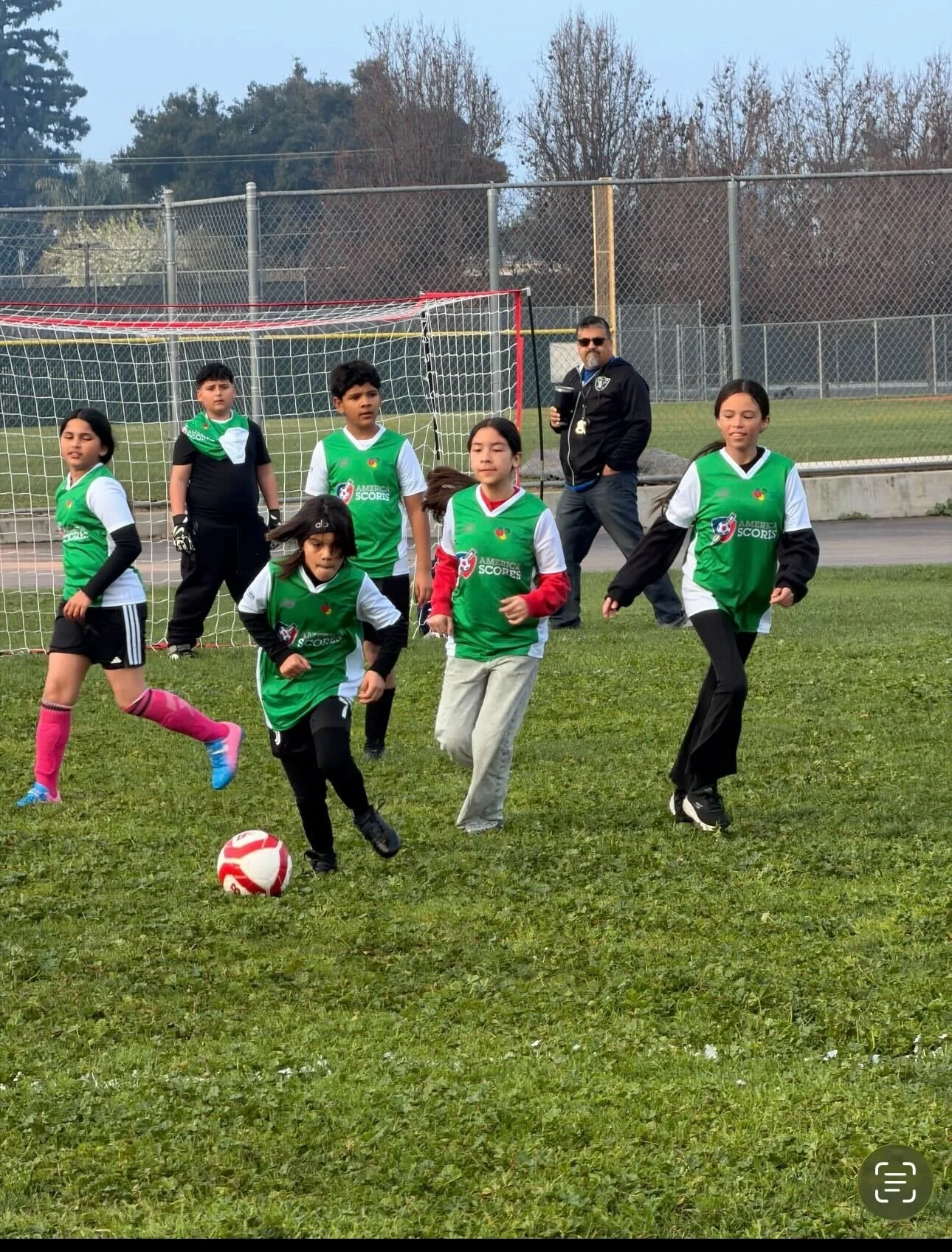
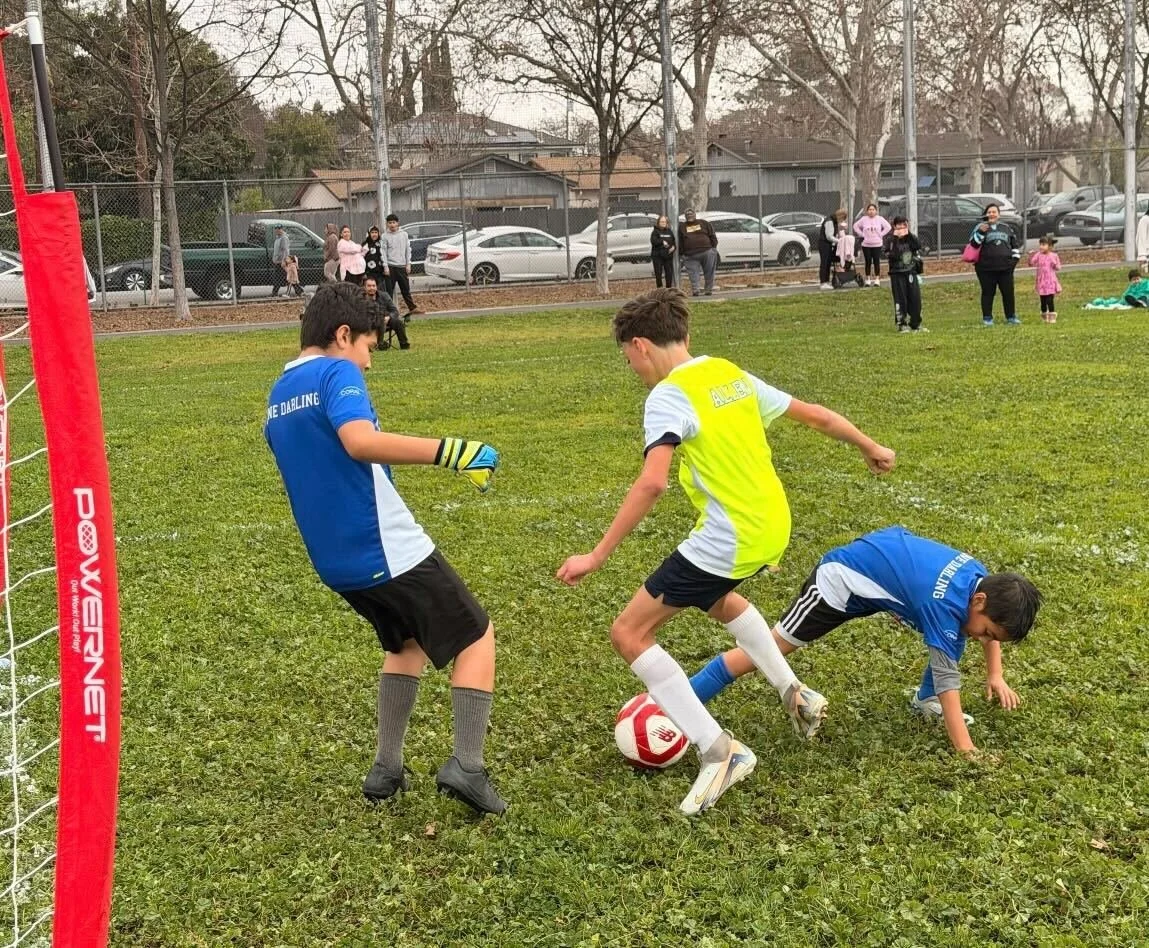
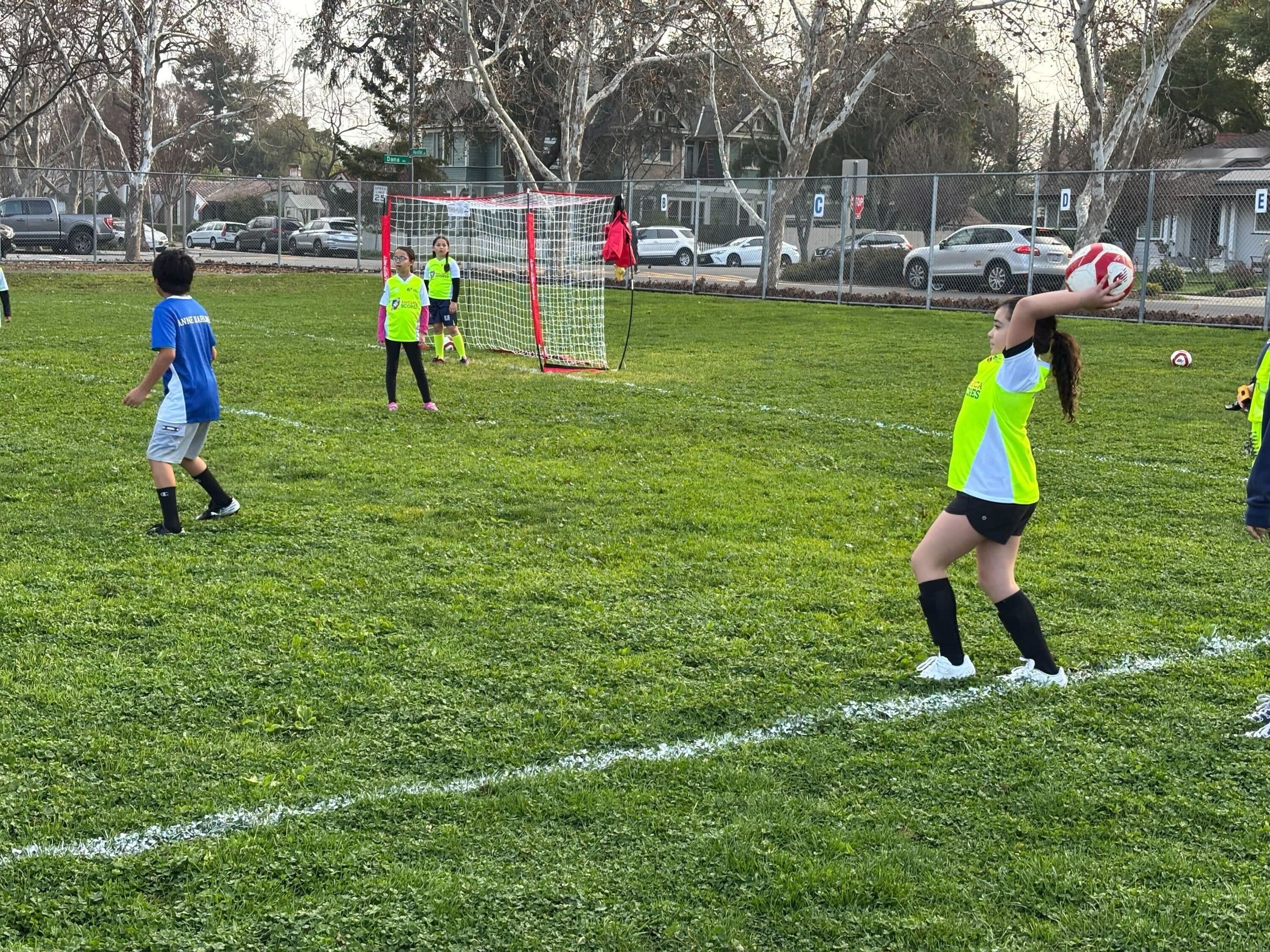
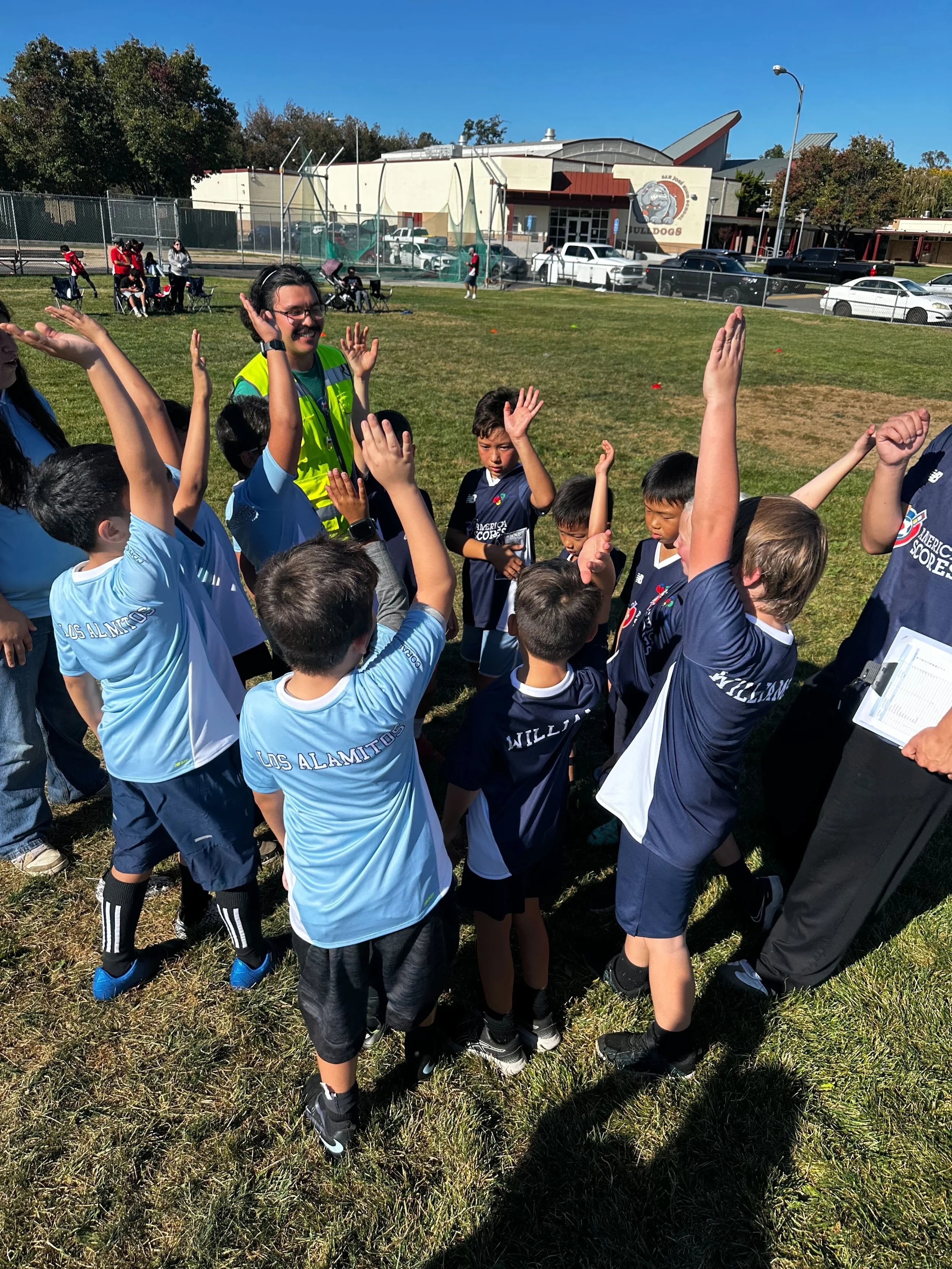
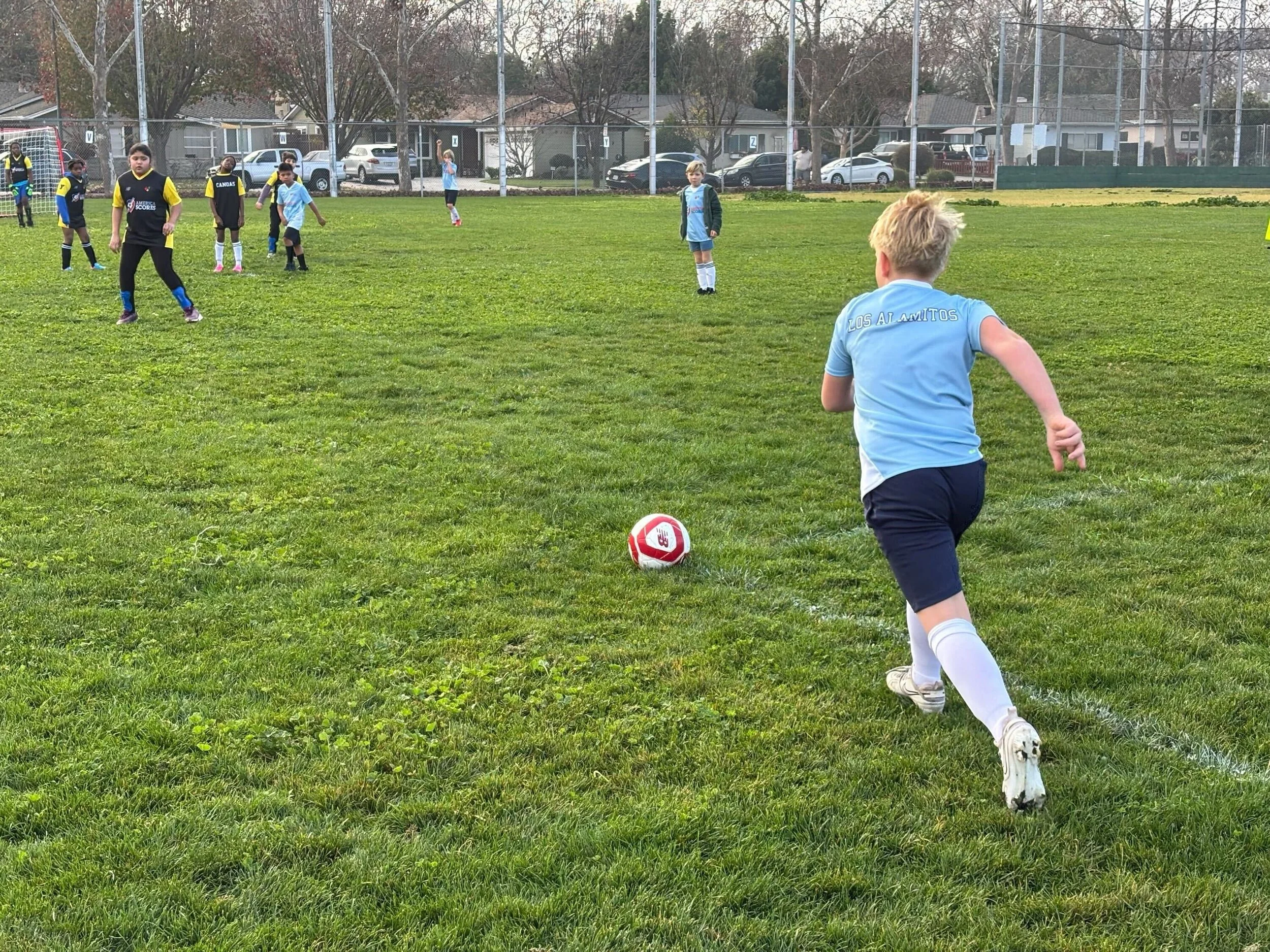
For Dàmaris, the Game Days offer an added benefit for community building by bringing in the families of SCORES participants. "We're not just bringing this opportunity to our students, we're also giving parents an opportunity to have really special one-on-one experiences with their children," she says.
The district has built accountability into participation. Game Day access is earned through school attendance and behavior. “If you’re missing school, you cannot just come to the after-school program,” Dàmaris explains. “If your behavior is not where it needs to be, you cannot be on the soccer team. So it has helped us get kids excited, ready to practice, engaged, and really listening.”
And the field produces its own surprises. Fortunata was watching a Game Day when a coach pointed out a girl she’d noticed moving confidently with the ball. Fortunata assumed she was a veteran player. Looking closer, Fortunata recognized the girl. “She’s not usually active and is often really quiet and reserved in the classroom,” she says. “But when she’s on the soccer field, you can see her joy. And that’s what it’s all about at the end of the day. If we can reach out to that one child in the corner and help her have a little confidence and a little fun, that’s what the goal is.”
The girl had never touched a soccer ball before.
Special Events
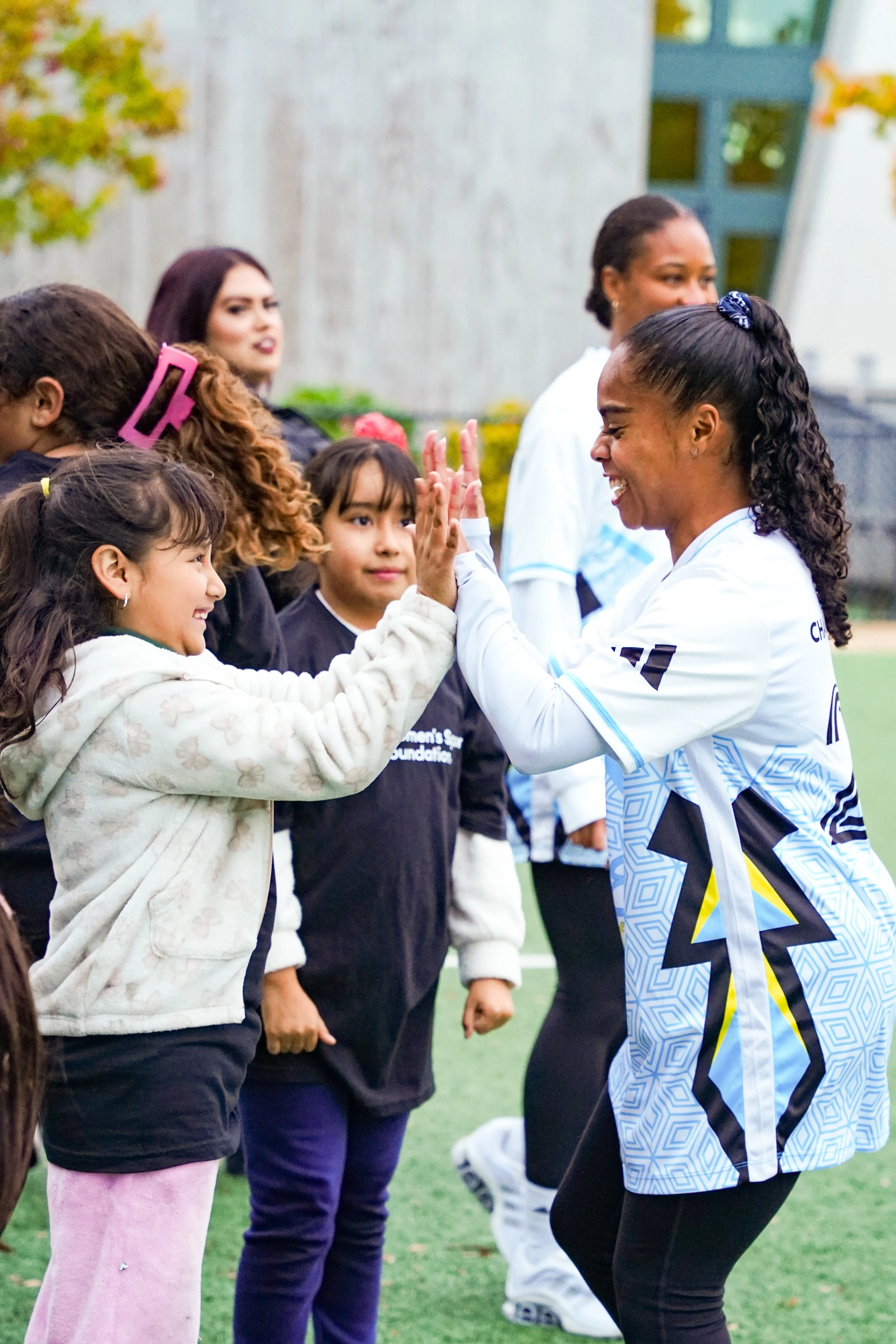
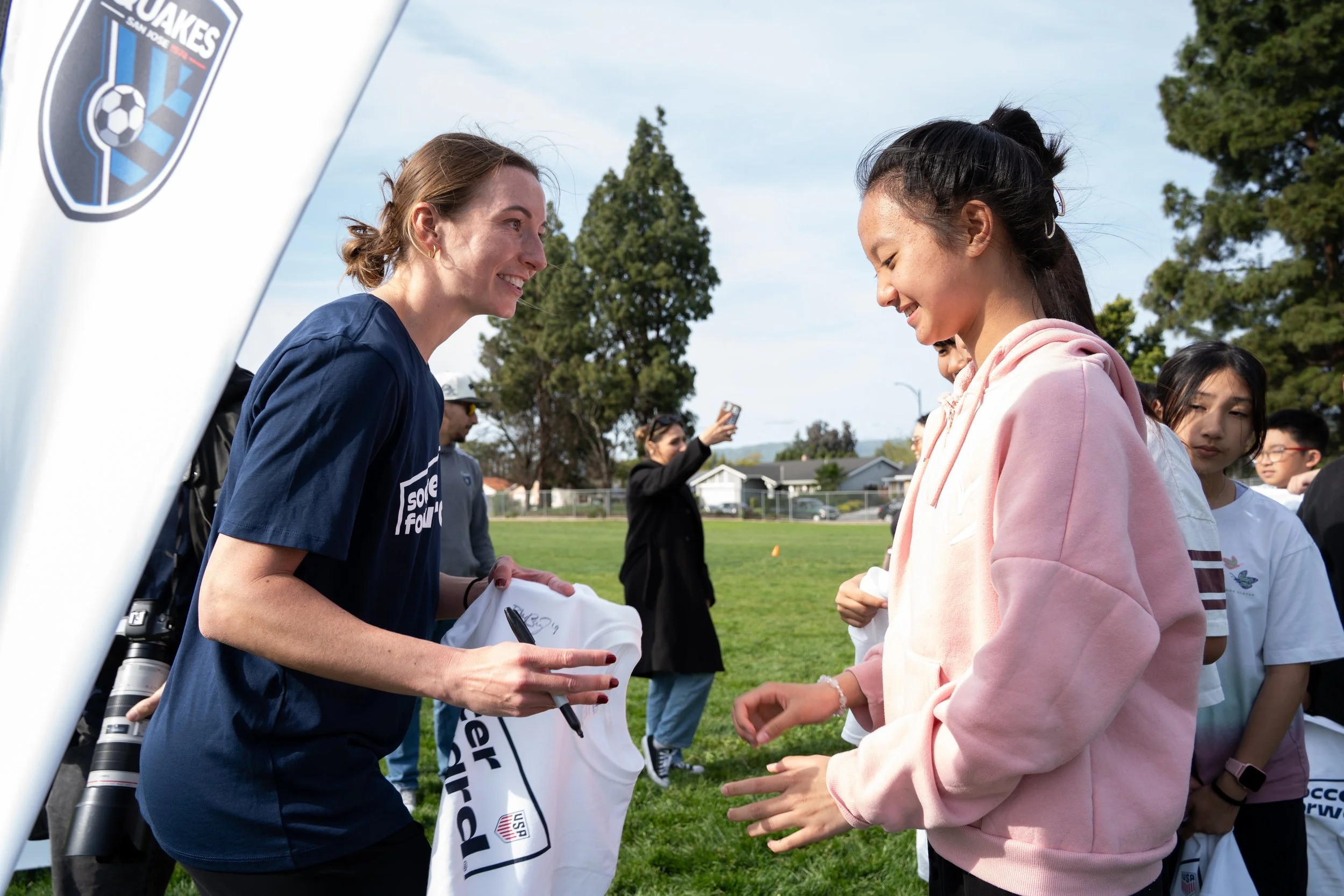
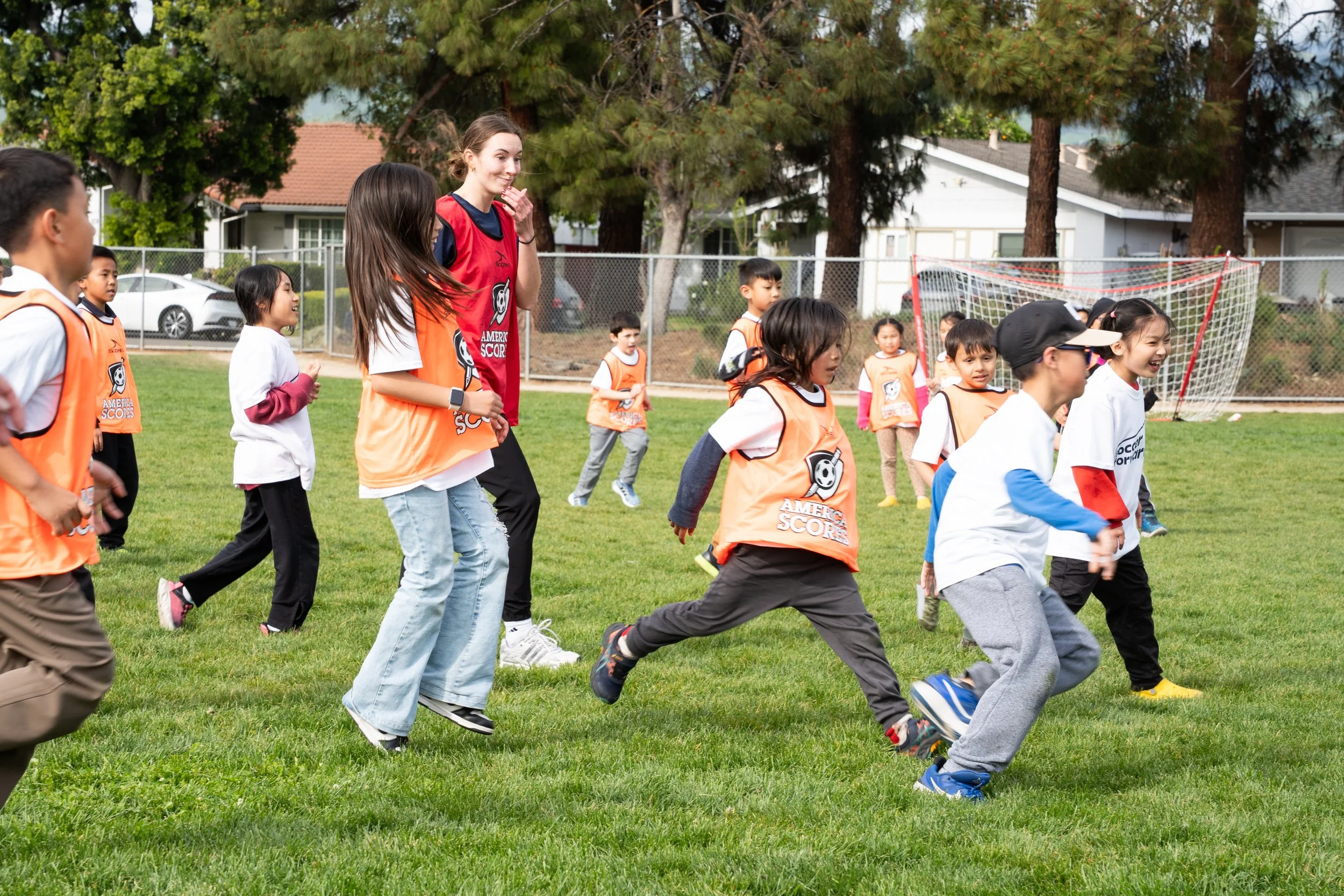
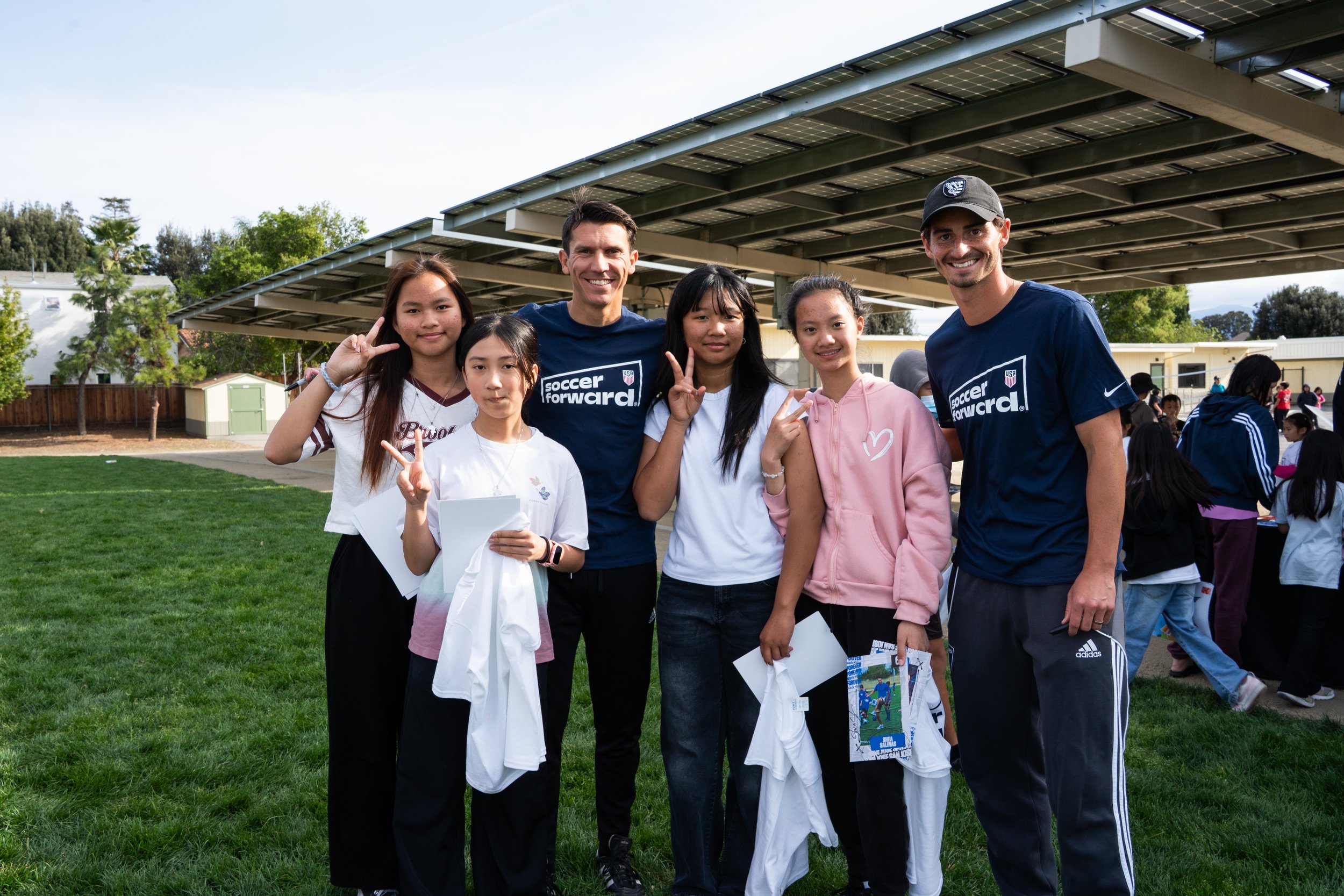
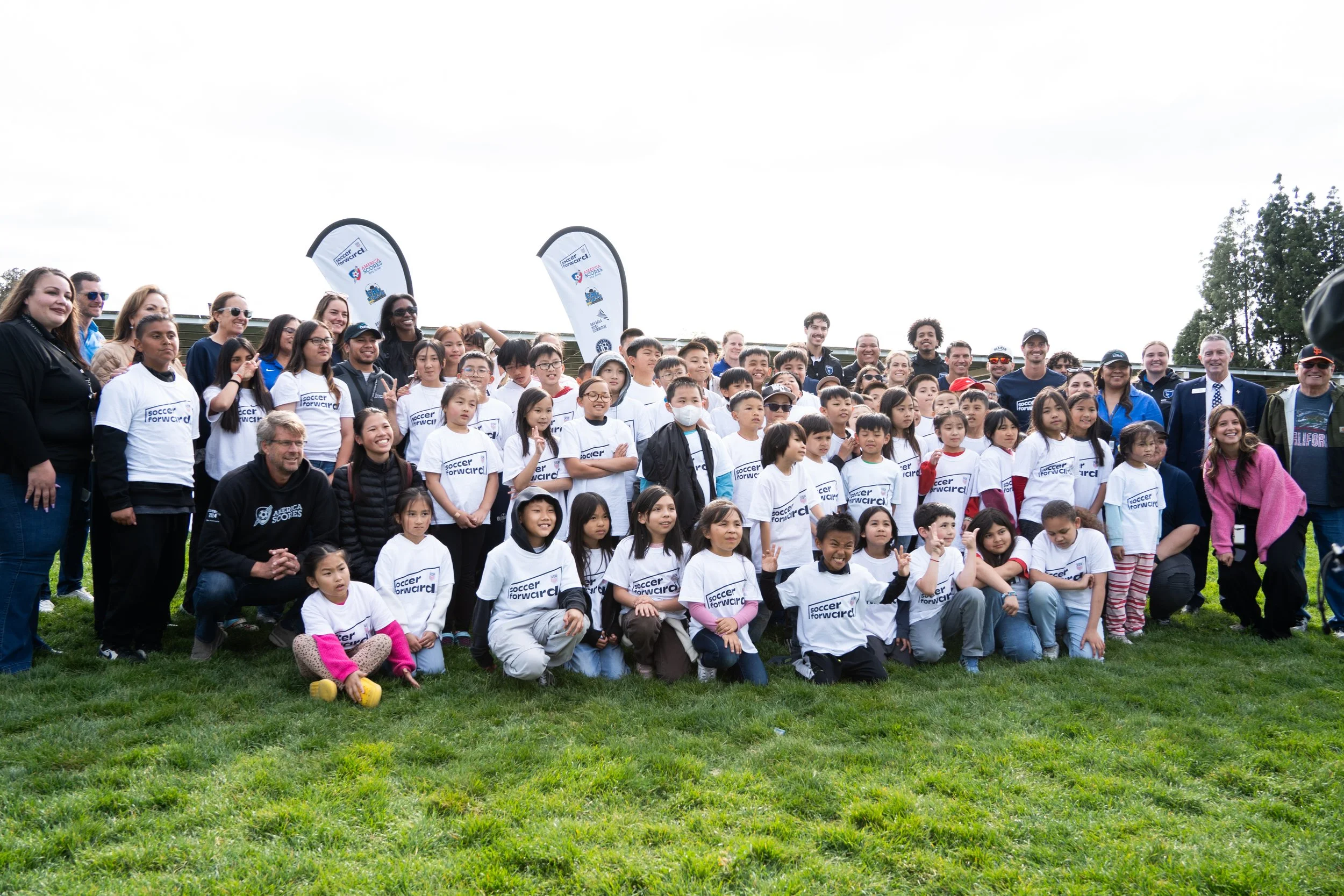
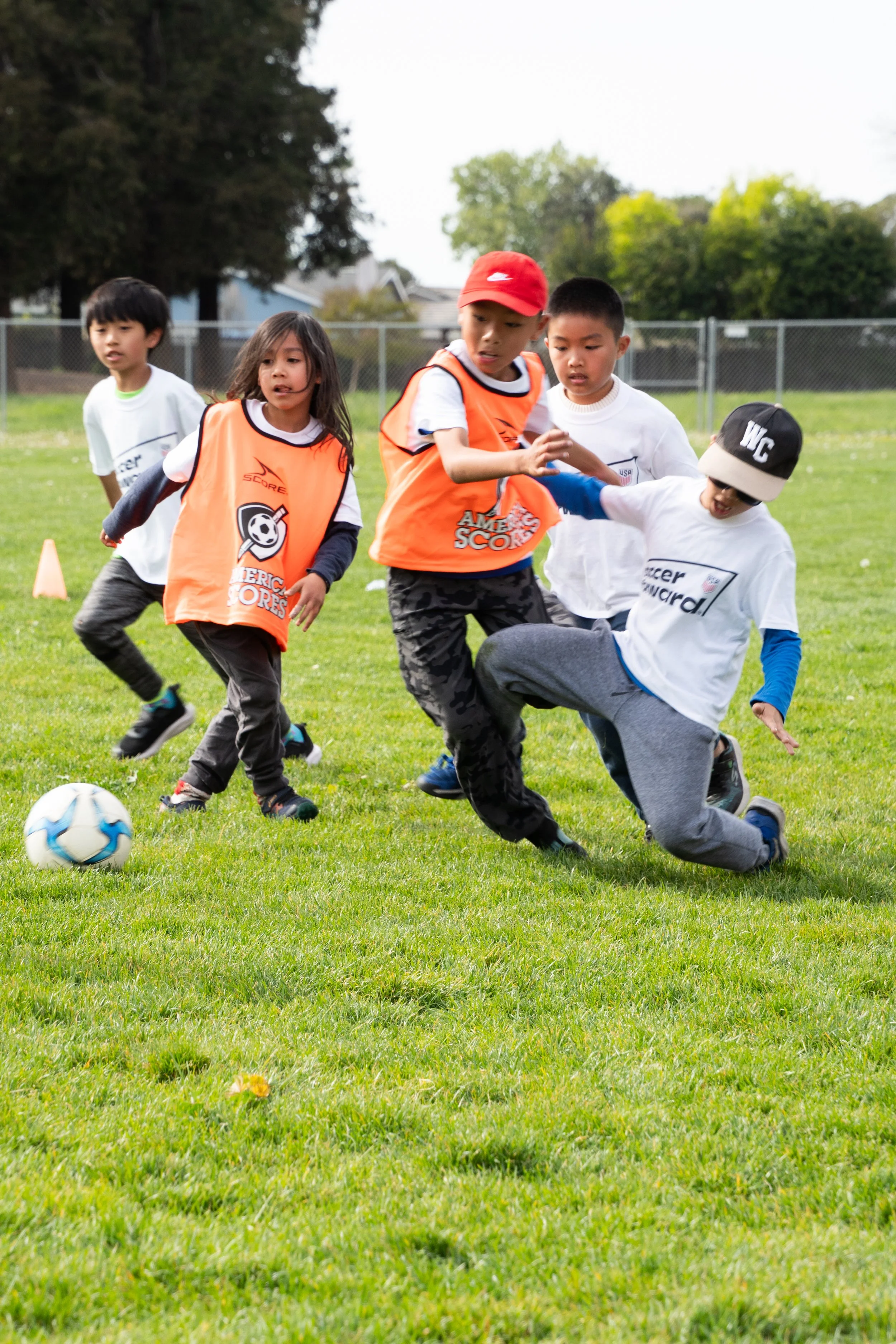
In 2025 and 2026, SCORES students enjoyed multiple events with outside groups, including a community spotlight event hosted in partnership with US Soccer, Soccer Forward, Bay FC, SJ Earthquakes, and Cal North. Participants met and played with soccer pros in soccer scrimmages, including Ian Harkes and Shea Salinas of the San Jose Earthquakes; Dorian Bailey of Bay FC; Olympic Gold Medalist Kelley O’Hara; and U.S. Soccer President Cindy Parlow Cone. The athletes also signed jerseys for SCORES Poet-Athletes.
Lead Agencies and Shared Ownership
San Jose Unified works with three “Lead Agencies” —Catholic Charities, Think Together, and the YMCA — to run comprehensive afterschool, enrichment, and support services. For SCORES to partner with the school district it requires a deep collaboration with the these agencies and their staff. Roy Que-Heath, Program Director for the South Valley YMCA, recalls what set the tone when Alberto first sat down with him to talk about SCORES programs. “Here I am thinking he’s going to tell me exactly how this is supposed to go. What I love, though, was that he presented a vision, he said, ‘Roy, what do you want it to be? What do you think your students want it to be?’ And so we looked at this as an opportunity to say, how can we build character? How can we build resilience? How can we build values within the framework of sports and self-discovery?”
That spirit—real ownership given to the agencies to shape what the program becomes—is something Roy is still energized by. “Alberto has been an awesome partner to work with. He really listens to my concerns, answers any of my questions, and gives insight and value, but also the freedom and autonomy to make it what it can be. I love that he’s as hands-on as he needs to be and as hands-off as we need him to be.”
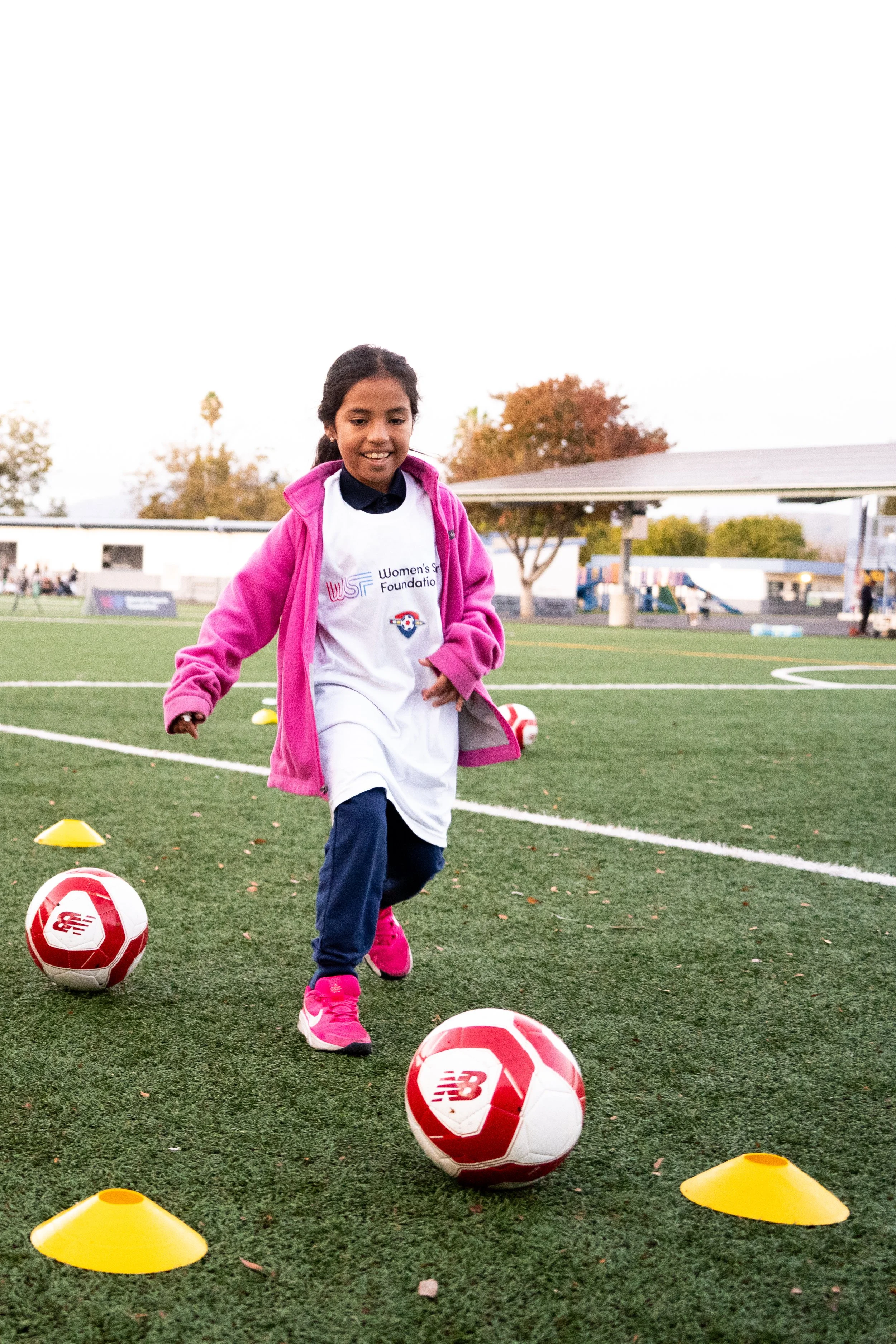
At the school site level, YMCA Site Director Tanya Avila Recio sees that energy twice a week. “The kids always get super excited about Tuesdays and Thursdays when we practice,” she says. “The coaches bring out the balls and the cones, and the kids can’t get enough of it.”

“What stands out most to me is the genuine care and dedication that the coaches and staff have for their students. Their commitment goes beyond the field. They truly want each child to succeed in life. You can see this passion reflected in the way they organize events and Game Days, creating supportive spaces where students feel encouraged, valued, and inspired to grow.”
Colin Schmidt, Executive Director of America SCORES Bay Area, points to the comprehensive benefits the program and coaches bring to the students engaged in SCORES programming. “They’re gaining literacy skills, building confidence, and enjoying the enormous impact of belonging and community. And they’re being guided by people who really care.”
What Makes It Work
Ask the people running this partnership what makes it healthy, and they’re effusive and specific. Hamza talks about investment and curiosity: “What makes a healthy partnership is investment—investment in the opportunity and being bought in from all the sites. Everybody is bringing creativity, problem-solving, and curiosity, while holding the standard of their own organizations.”
Fortunata talks about mission alignment: “When missions match with partnerships, it’s just such a more fulfilling experience.”
Dàmaris talks about trust without micromanagement and about starting always from the same place. “As long as (SCORES) understands my why, and I understand their why, we align. And I think that is what’s driving our partnership and what’s making it so successful. Our collective why is our students and their best interests.”
Alberto talks about communication: “I’ve learned that communication is key, and I’m grateful that all the partners involved have been amazing to work with. They’ve made it easy to communicate, collaborate, and ensure everything runs smoothly.”
Flexibility is the other constant. The all-girls league, the shift from weekday to weekend Game Days to ease the transportation burden on families, the plans to include TK and kindergarteners next year—none of these were in the original design. They came from listening and adjusting quickly, tailoring the program to provide the best possible experiences and outcomes for all involved. The TK/K expansion is already embedded in SJUSD’s official ELOP plan, which sets specific staffing ratio requirements for younger students. The groundwork is already laid.
“It honestly makes our work a lot easier when you have trust in people that you believe in and people that believe in you. And we’re not competing for anything. We’re all just trying to do our best work to bring it back to our kids,” says Dàmaris.
“We pivot when we can. And that’s what’s so great about having SCORES as partners.”
What’s Next?
Alberto Hernandez calls San Jose a sleeping giant. “There’s an imbalance here economically, but there’s a beauty in the challenge. I come from the east side of San Jose, where the community is really underrepresented. There’s so much room for more balance.” With the 2026 World Cup coming to the Bay Area, he sees a window. “There’s a lot of interest here in soccer, and there are going to be so many opportunities for SCORES and for these kids to really go out and become leaders.”
Leaders and artists, points out Dàmaris, who sees a link between the growing partnership and the poetry side of the SCORES program. “Through poetry, our kids come in with an idea, a thought that’s coming directly from their heart, and put that idea into words. And those words become a part of them—a piece of art that’s in them,” she says
Moving forward, SCORES and SJUSD are aiming to add TK and kindergarten Game Days, expand the all-girls league, and deepen the partnership.
Alberto is excited for the future. “I think right now it's a really big moment for SCORES. People are seeing what SCORES is. Parents are coming to me and telling me what a great job we're doing. Their kids are more expressive at home. They're learning how to speak and use their words in a really professional manner. All of this through writing poems and playing soccer! And if the program is making that big of an impact, then it's definitely going to have room to grow.”
This is the first in our Partnership Series highlighting the collaborations that fuel SCORES’ impact across the Bay Area.
To learn more about partnering with America SCORES Bay Area, contact Ange Bailey, SCORES Chief Engagement Officer at abailey@americascores.org